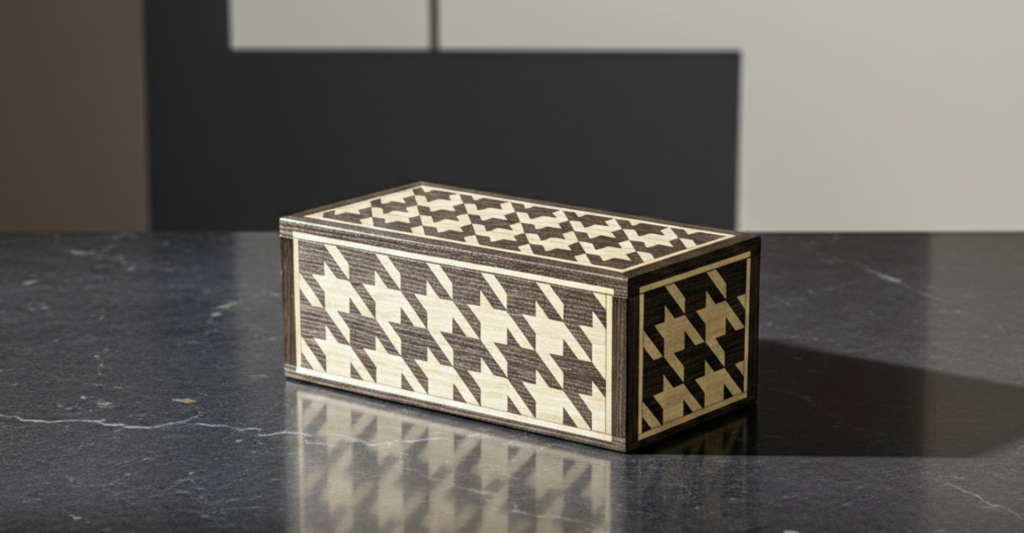
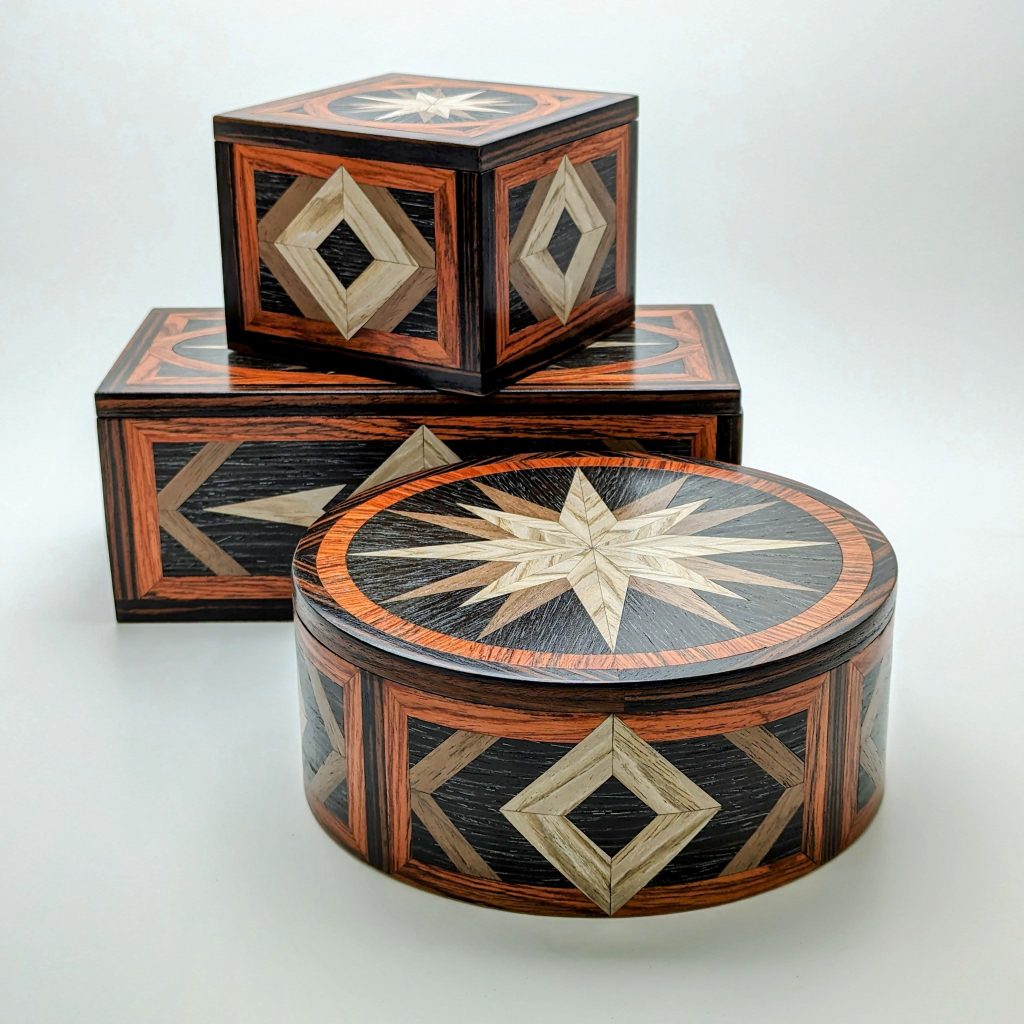
How are my boxes finished?
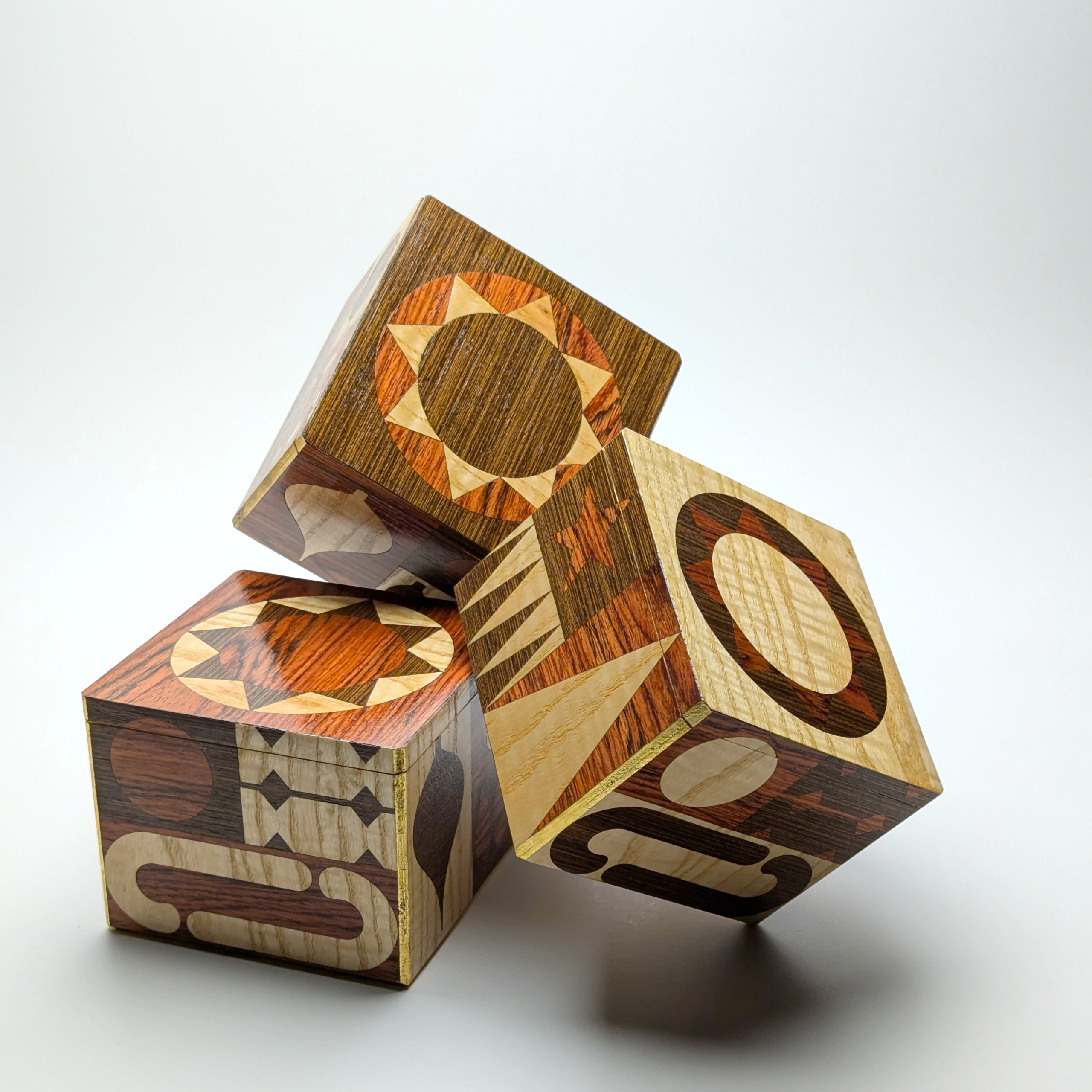
All of my marquetry boxes are hand finished with natural shellac and a layer of beeswax polish.
While the designs that have been printed are finished with a water based synthetic varnish.
What is Shellac?
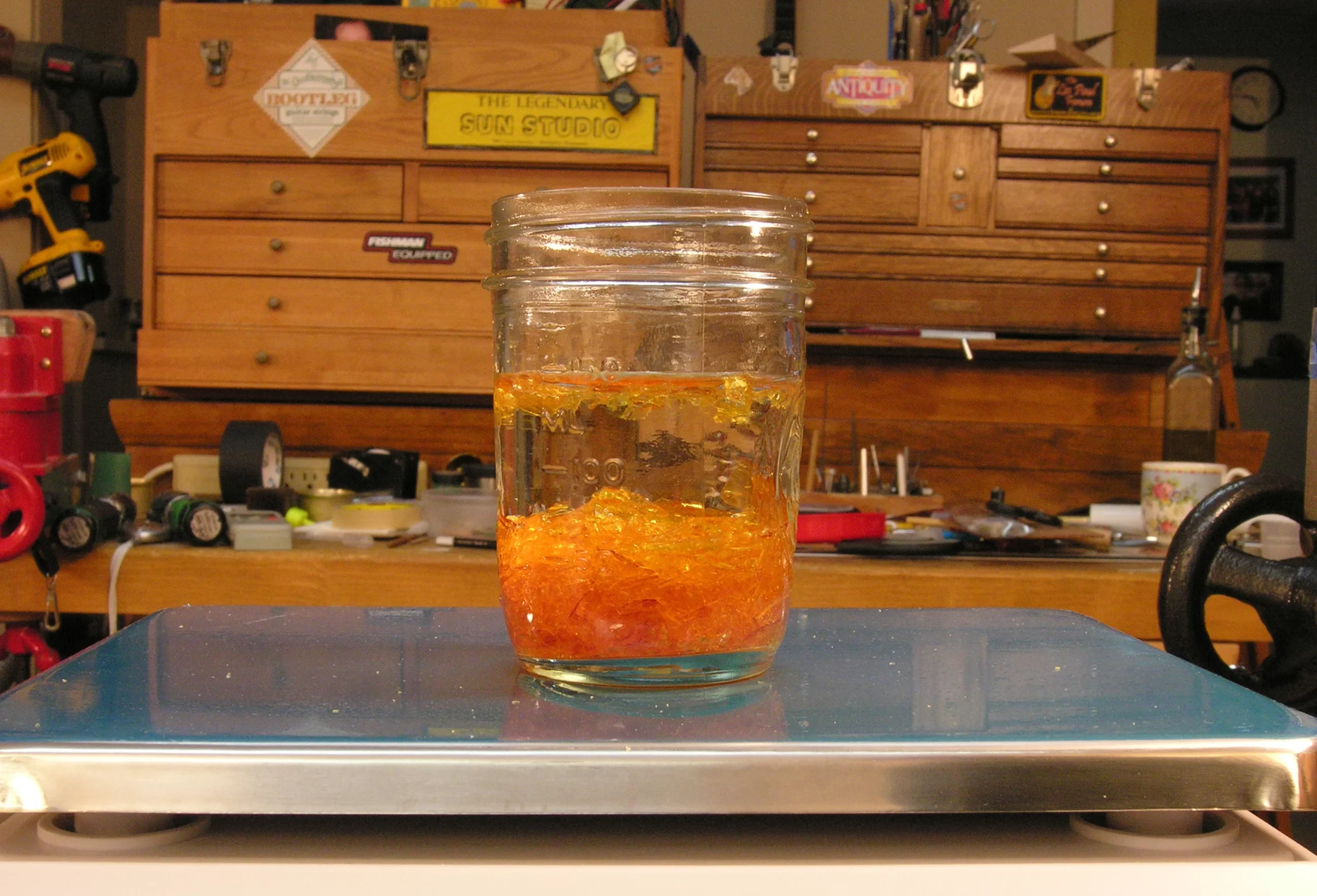
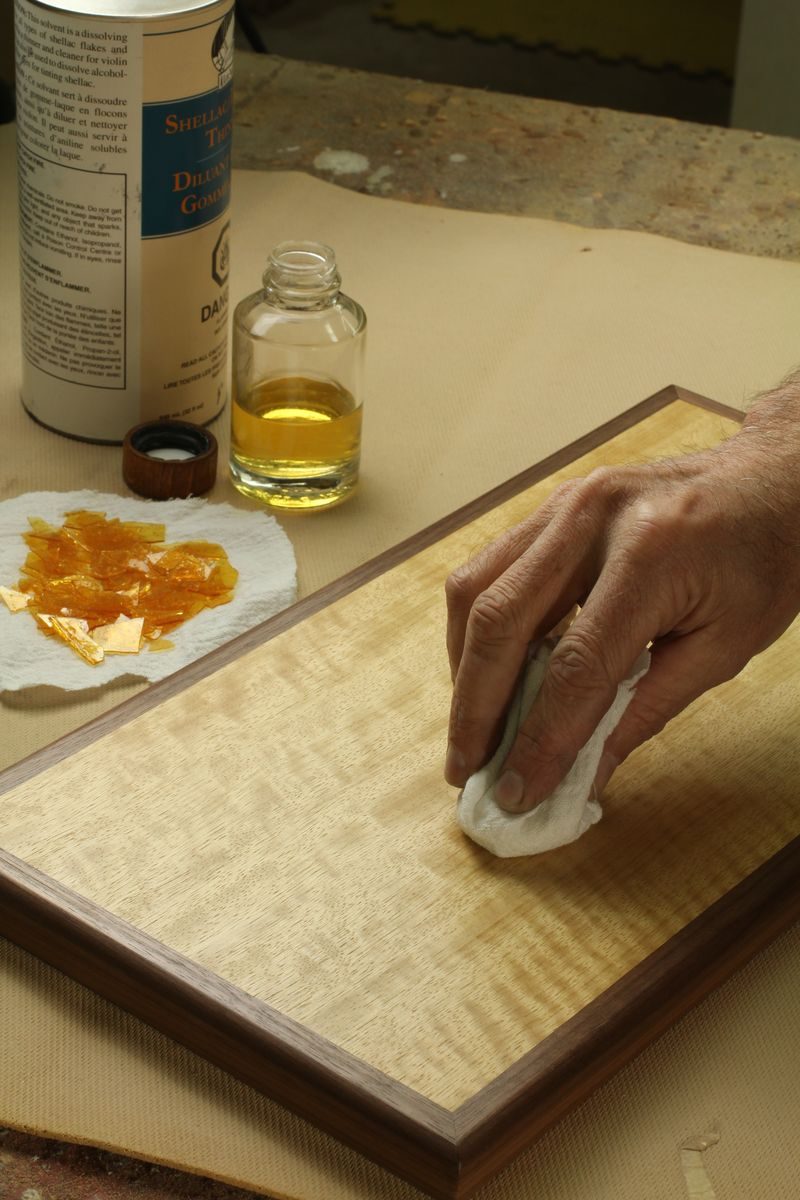
At its core, shellac is a natural bio-adhesive resin. When used as a wood finish, the resin is dissolved in denatured alcohol to create a liquid that can be brushed, padded, or sprayed onto furniture. Once the alcohol evaporates, it leaves behind a hard, protective, and incredibly beautiful film.
It is one of the few “food-safe” finishes available and has been used for everything from high-end “French Polish” on violins to the shiny coating on certain food and pills.
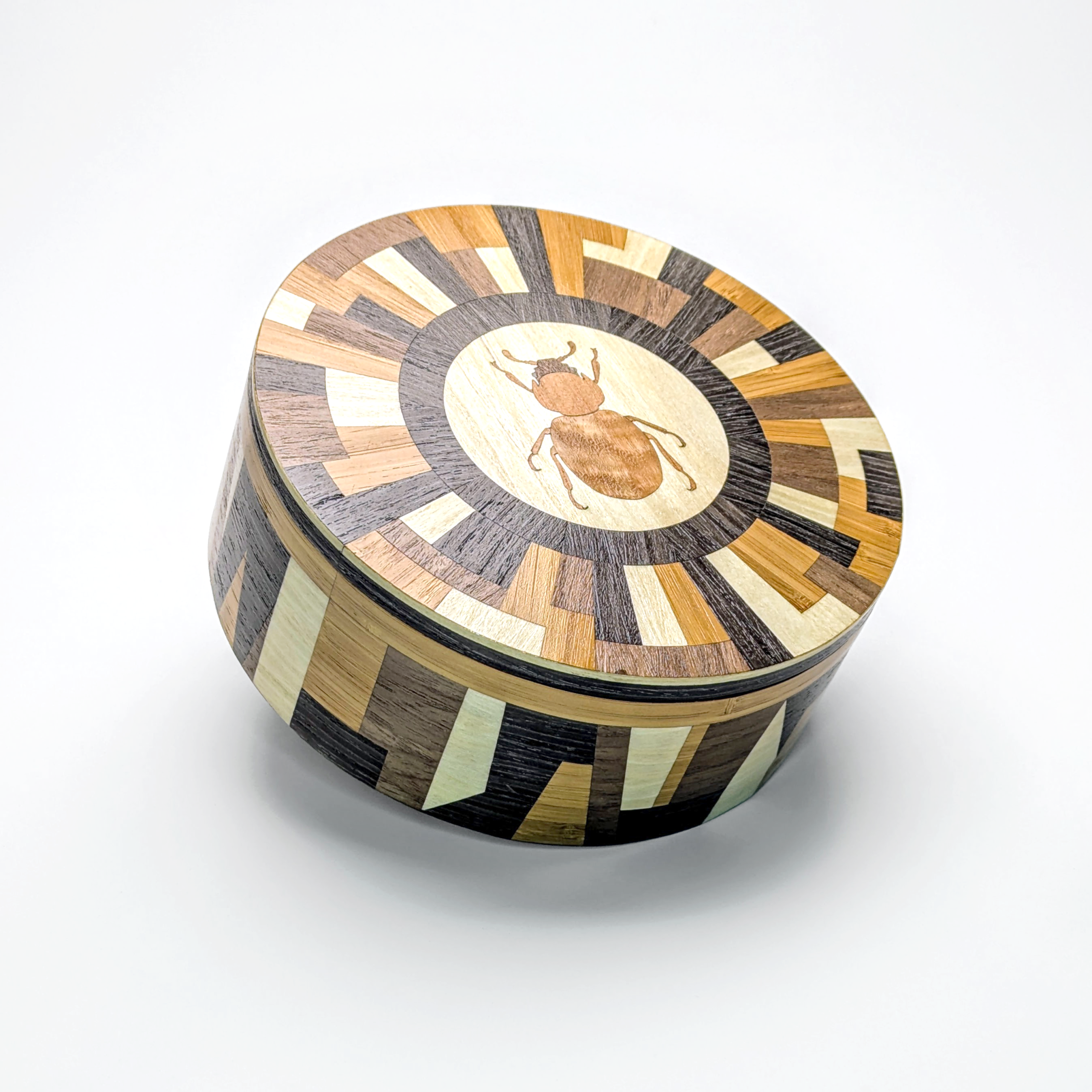
Where does it come from?
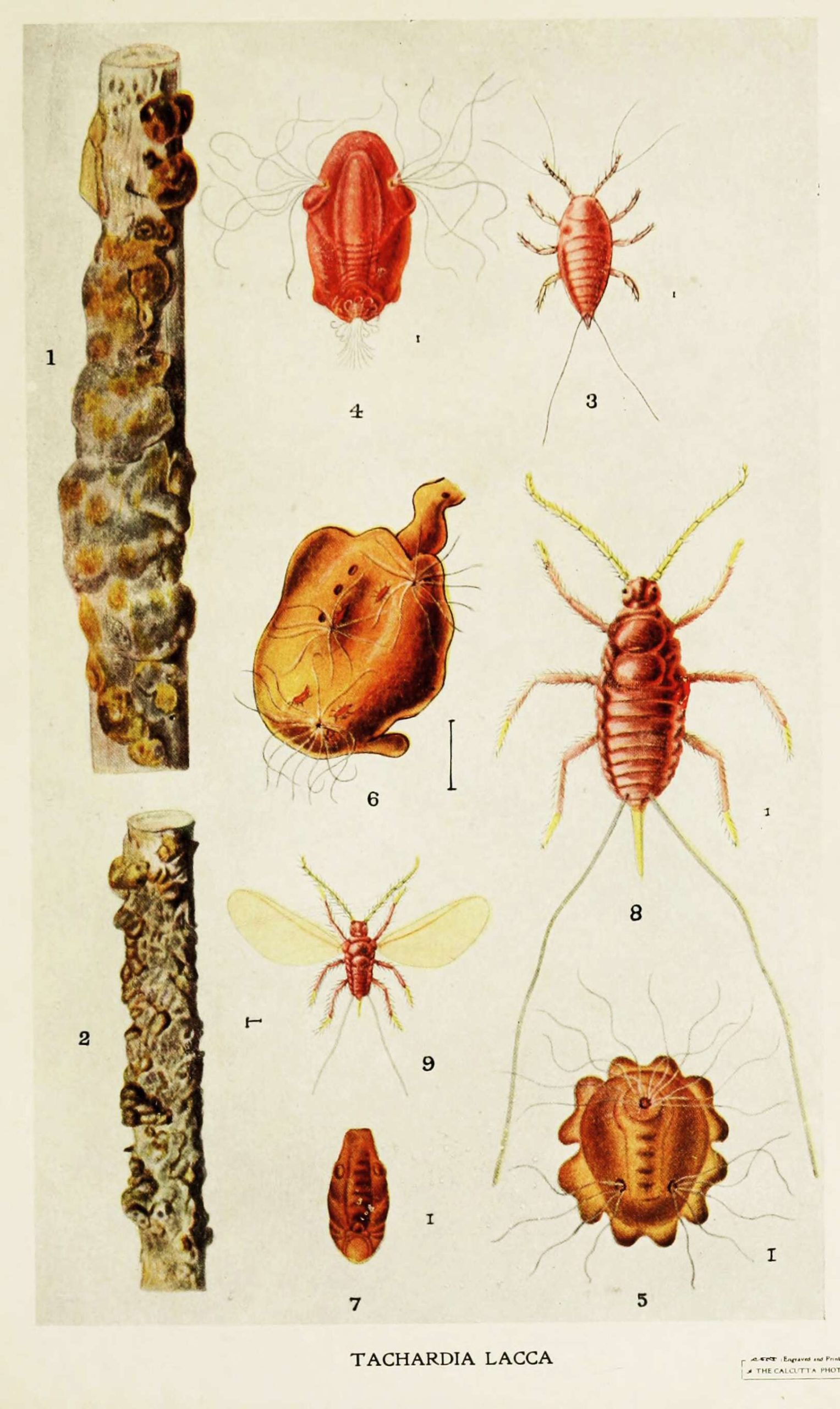
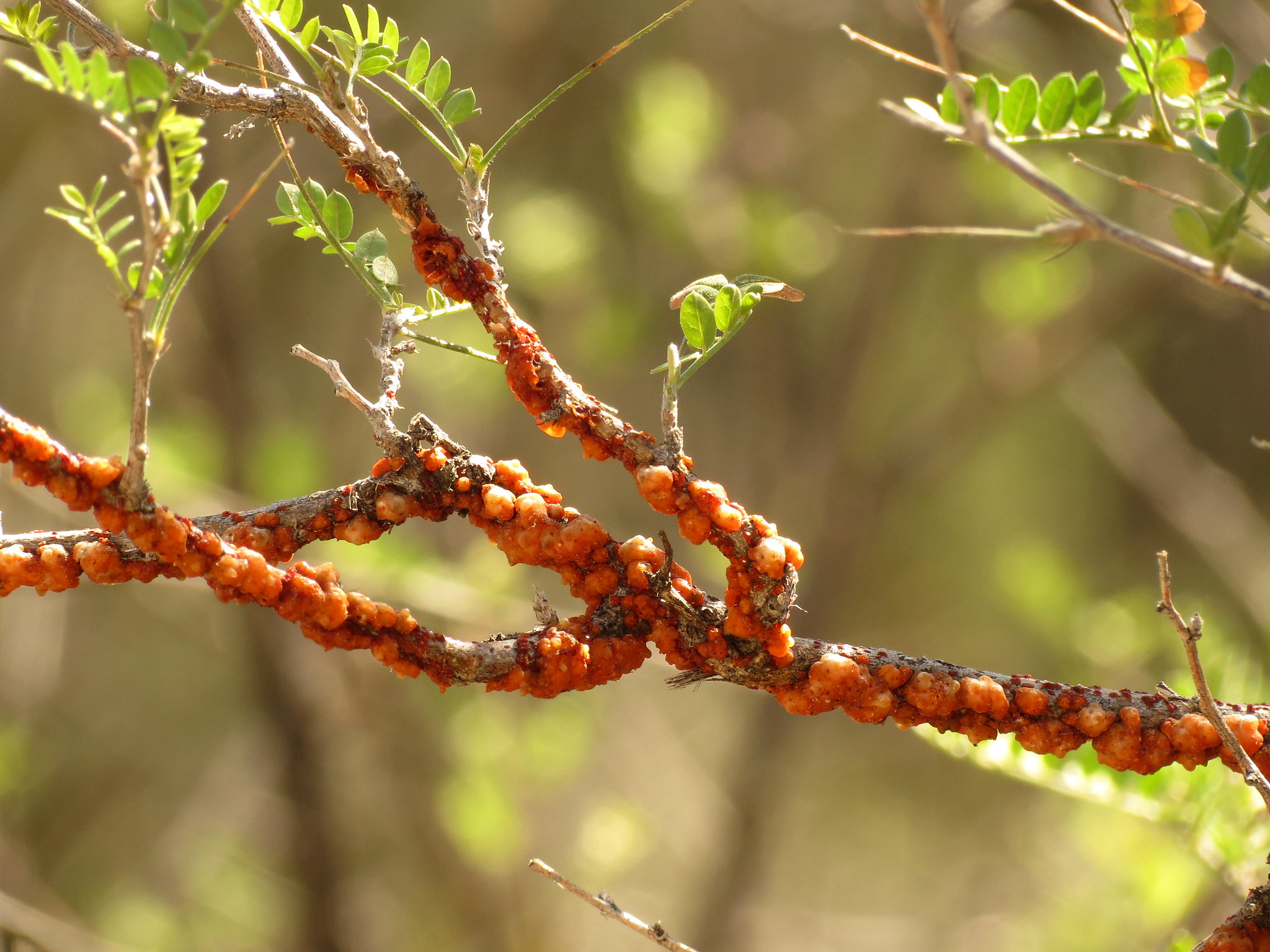
Shellac is an animal by-product. It is secreted by the female Lac bug (Kerria lacca), which is native to the forests of India and Thailand. The bugs inhabit specific trees, consuming the sap and secreting the resin to create a protective cocoon for their larvae.
Harvesting: The resin is gathered from the branches (known as “sticklac”).
Refining: It is crushed, washed, and dried into “seedlac.”
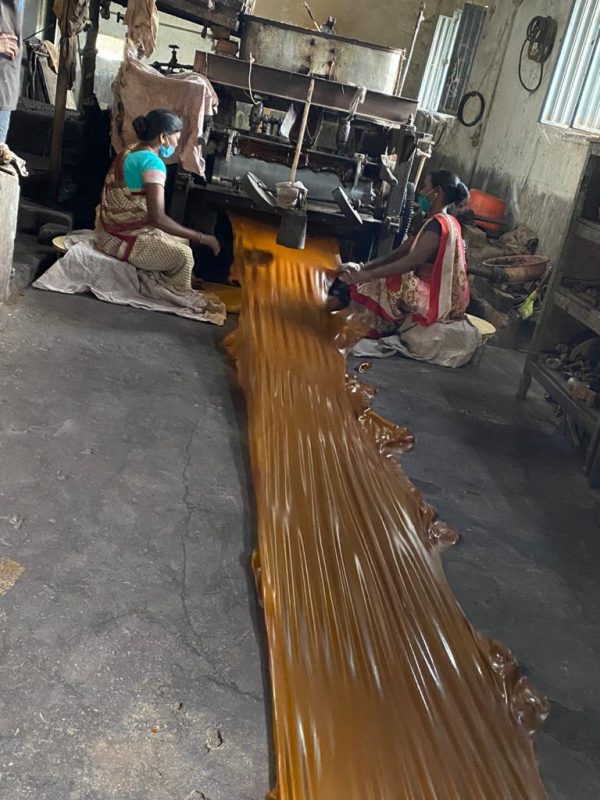
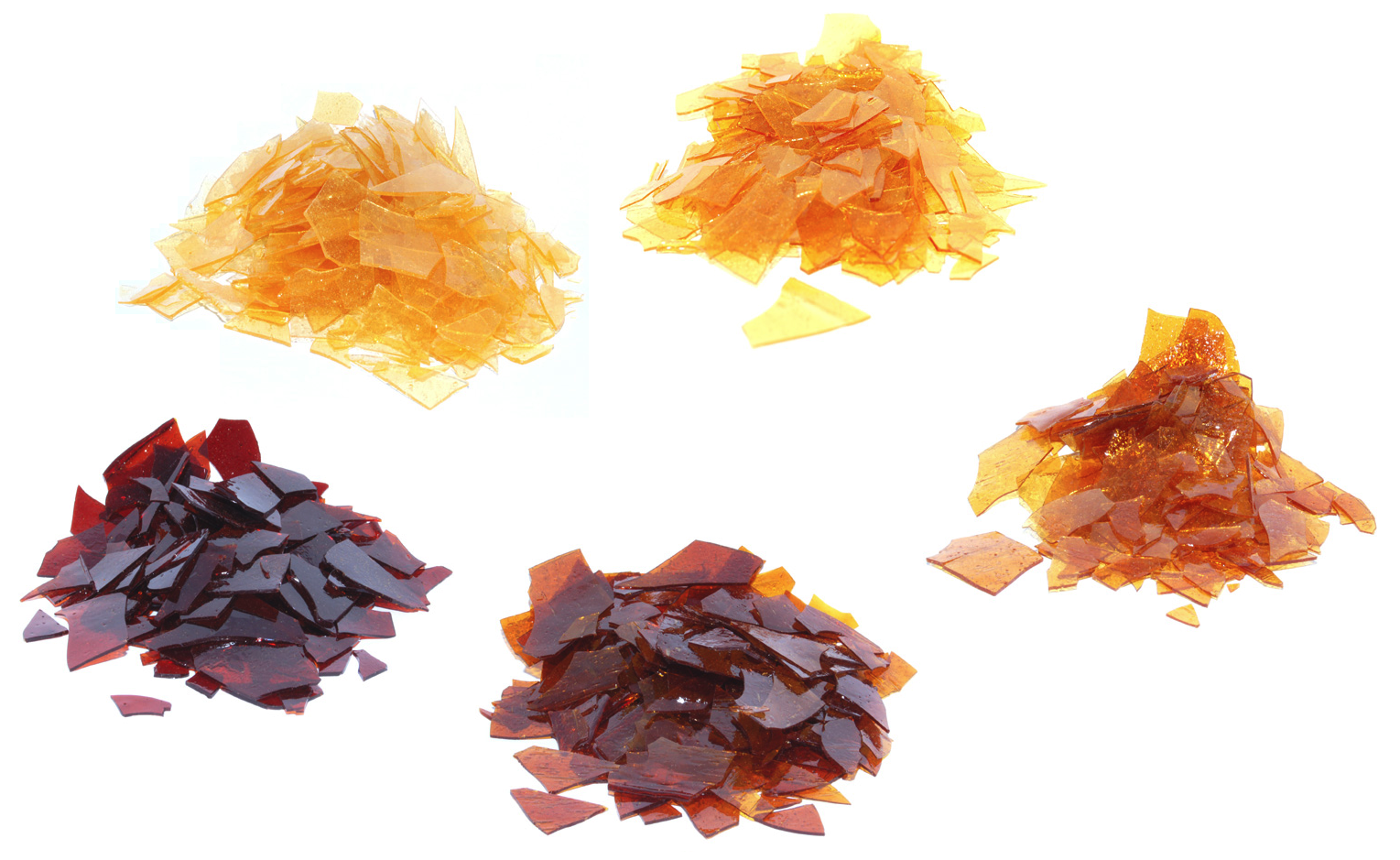
Processing: It is further refined into thin translucent flakes that woodworkers melt in alcohol to create the finish.
The Advantages of Using Shellac
There are many reasons why shellac has remained a favourite finish among woodworkers for centuries, despite the invention of synthetic polyurethanes:
Adhesion: It is often called the “universal primer” because it sticks to almost any surface and almost any other finish sticks to it.
Exceptional Clarity: Shellac doesn’t just sit on top of the wood; it enhances the grain, giving the surface a “three-dimensional” depth.
Ease of Repair: Unlike modern lacquers that require sanding back to the bare wood to fix a scratch, new shellac melts into the old layer, making repairs easy and nearly invisible.
Fast Drying: It dries to the touch in minutes, which minimizes the amount of dust that can settle into the wet finish.
Non-Toxic: Once the alcohol has evaporated, the finish is completely non-toxic and eco-friendly.
Caring for a Shellac Finish
While shellac is durable, it is a “living” finish that requires a bit of specific care to stay beautiful for generations.
Occasional Waxing: A high-quality paste wax applied once or twice a year can add an extra layer of protection against moisture and give the wood a soft, tactile glow.
Avoid Chemicals: Never use harsh household cleaners or ammonia-based sprays. A slightly damp (not wet) microfiber cloth is usually all you need.
Watch the Heat: Shellac has a relatively low melting point. Always use coasters or trivets under hot coffee mugs or plates to prevent “white rings.”
Keep Alcohol Away: Since shellac is dissolved by alcohol, high-proof spirits (like whiskey or vodka) will act as a solvent and mar the finish. Clean up spills immediately.